Wau, Western Bahr el Ghazal State – The YMO members officially launched the 2026 agricultural season in Wau, bringing together government officials, development partners, farmers’ associations, youth groups, women representatives, and community leaders to reaffirm their commitment to strengthening food production and improving livelihoods across the state.
The launch ceremony highlighted the vital role of agriculture in promoting food security, creating employment opportunities, and stimulating economic growth. Speaking during the event, state officials encouraged farmers to fully utilize the rainy season by expanding cultivation and adopting improved farming practices that increase productivity while protecting the environment.
As part of the launch, agricultural experts demonstrated modern farming techniques, including proper land preparation, quality seed selection, crop management, and sustainable farming methods designed to improve harvests. Farmers also received guidance on climate-smart agriculture, pest management, and soil conservation to help build resilience against changing weather conditions.
Youth and women were recognized as key drivers of agricultural transformation, with calls for greater participation in agribusiness, value addition, and cooperative farming. Development partners reaffirmed their support through technical training, extension services, and initiatives aimed at improving access to quality agricultural inputs and local markets.
Community members welcomed the initiative, expressing optimism that increased collaboration between government, farmers, and development partners would contribute to higher crop production, improved household incomes, and stronger food security throughout Western Bahr el Ghazal State.
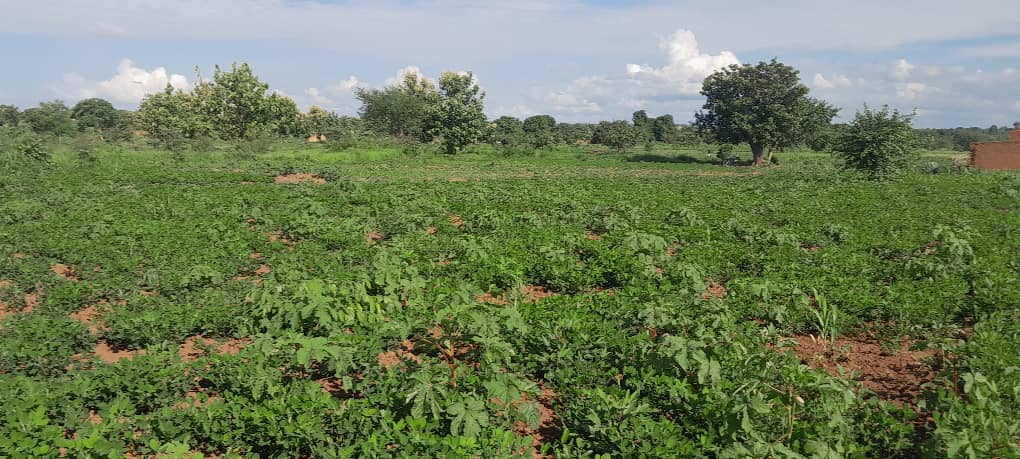
The launch concluded with a symbolic tree-planting exercise and the cultivation of a demonstration farm, underscoring the state’s commitment to sustainable agriculture, environmental conservation, and inclusive rural development.
The 2026 agricultural season is expected to strengthen community resilience and contribute significantly to the state’s long-term vision of achieving sustainable food production and economic prosperity for all.